


We may receive a portion of sales if you purchase a product through a link in this article.
Photography by Michelle Nash
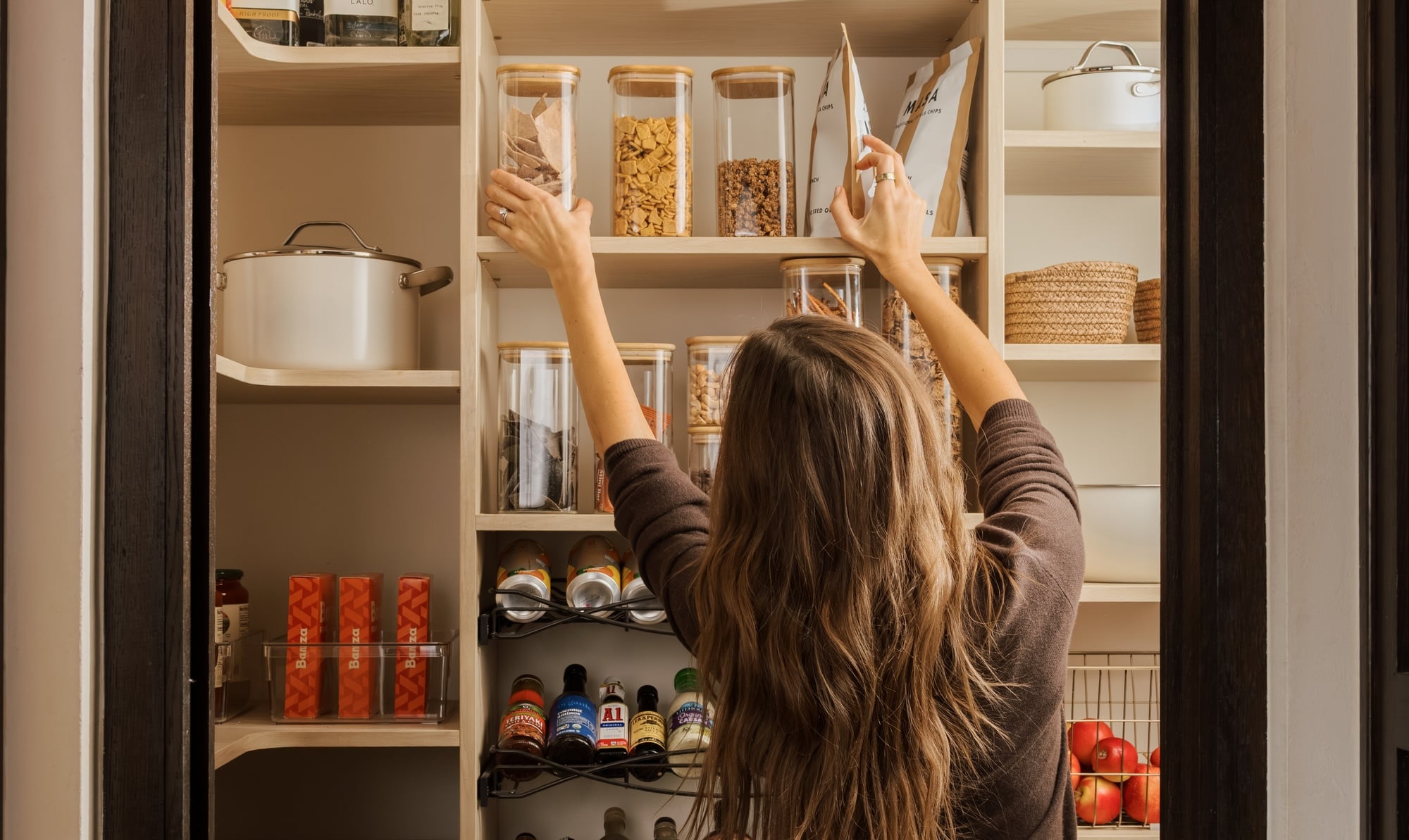
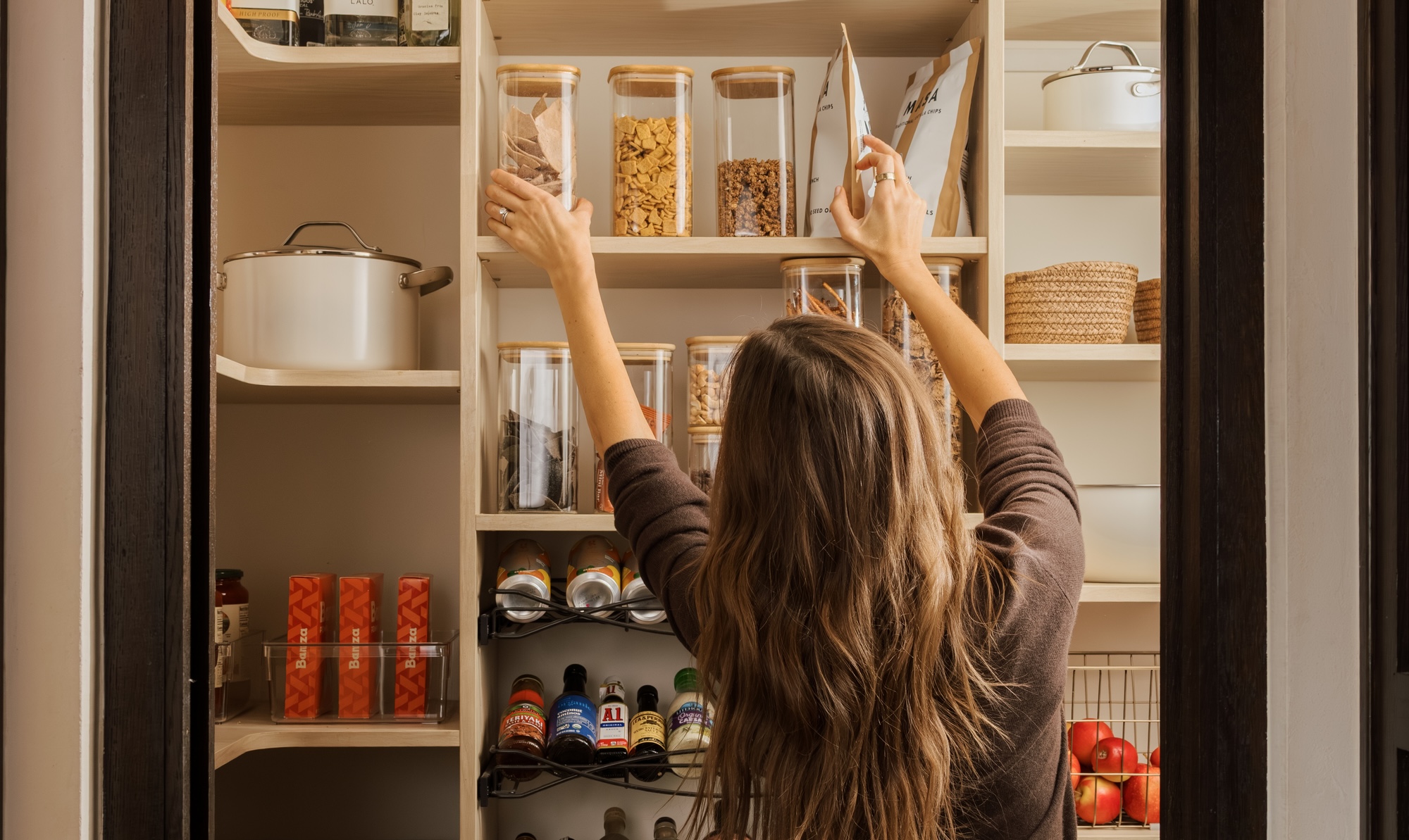
After months of cozy cooking and layered flavors, our appetites are shifting. We want brightness and simplicity. We want minimal-effort meals. We want no-fuss recipes that are easy to return to. But none of that is possible without a functional, well-intentioned pantry—a pantry that embraces the idea that less is more. Come spring, a pantry reset is an act of clarity. It’s about keeping (only) what’s necessary and donating or composting the rest. It’s about releasing what’s been weighing down our shelves, both literally and metaphorically.
The pantry isn’t just storage. It’s the backbone of how we eat, nourish, and nurture ourselves. Much like storing away winter boots and heavy coats, a spring pantry reset creates space for what’s next. It’s about transforming that corner of your kitchen into a place that reflects how you want to cook now, not how you think you might someday.
What You Don’t Need
Those ingredients that hang at the edge of usefulness? Time to nix those. They aren’t “bad” foods, per se; they just don’t support the pantry you actually use. Be brutally honest about your daily cooking style! Emphasis on daily. Some products take up more space than they add value. If it only for one random recipe, it probably doesn’t belong in your everyday pantry.
Again, be ruthless. Your pantry should streamline meals, not complicate them. Lastly, don’t convince yourself you need something “just in case.” Reserve pantry space only for the items you’re likely to reach for, not the ones you might someday use. This practice alone frees up mental and physical space for ingredients that do bring joy to your cooking.
What to Clear Out
Put your pantry reset on your calendar (an hour should do!) and turn on a podcast or your favorite playlist. Start by sorting items that no longer serve your current cooking patterns or have declined in quality. For many home cooks, this includes:
1. Expired or stale aromatics
Spices and herbs lose potency far sooner than we assume, especially when stored above the stove or in warm cabinets. If a jar of turmeric smells faint and dusty or your oregano has lost its perfume, it’s simply no longer doing its job. Compost it, and the flavors you do keep will shine more in your dishes.
2. Oils past their prime
Cooking oils—particularly delicate ones like nut or seed oils—can oxidize and go rancid. Give bottles a smell and tiny taste; if they’re sharp or bitter instead of fruity and bright, it’s time to let them go. This simple check alone can instantly elevate the way your food tastes.
3. Specialty items that never earned a second use
One-off purchases like exotic spice blends or novelty sauces seem inspiring in the moment, but often languish after one recipe. Clearing these frees up space and mental bandwidth. You’ll stop feeling obligated to use things you don’t genuinely enjoy.
4. Duplicates and impulse buys
We all have them! A row of pastas you bought on sale, several bags of grains that are close to identical, or three kinds of baking soda… these create visual noise and decision paralysis. Choosing just one go-to lets you streamline meal prep without compromise.
What to Restock (Spring-Forward Staples)
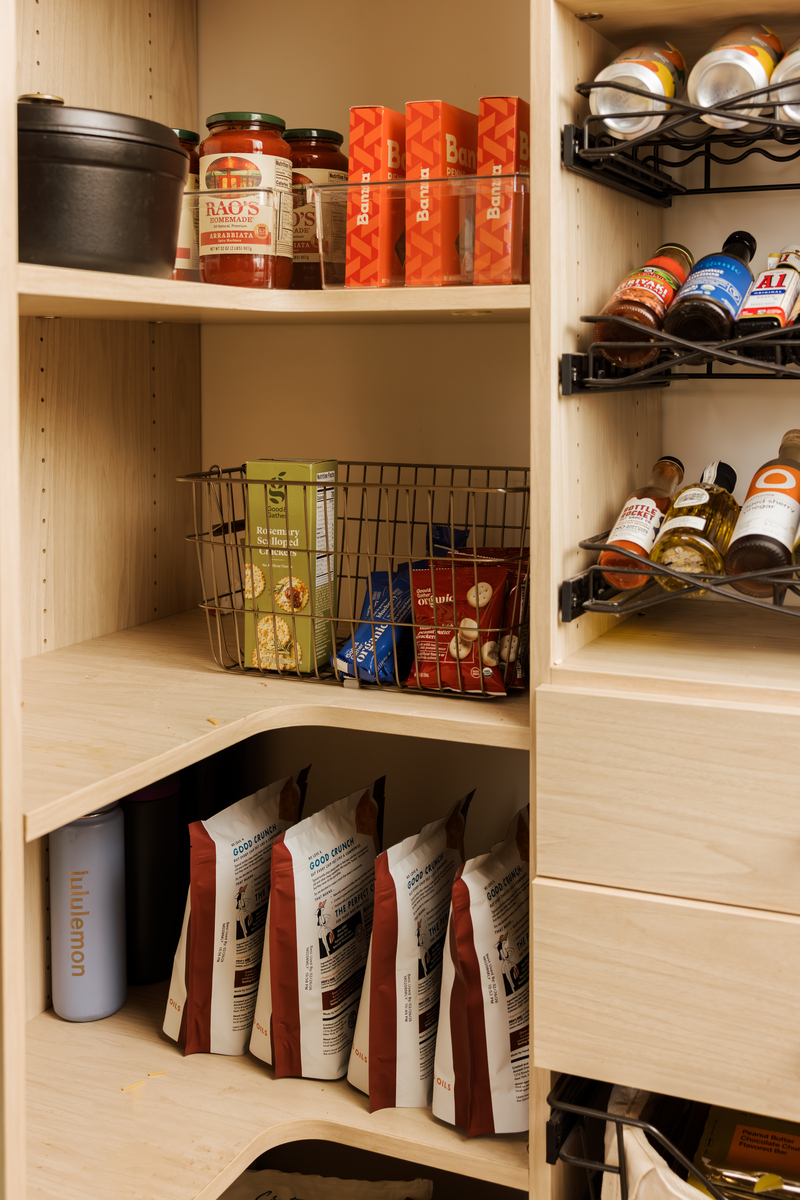
With the excess gone, it’s time to bring intentionality back. Think ingredients that support simple, fresh meals and purposeful cooking. These are our spring forward essentials:
We may receive a portion of sales if you purchase a product through a link in this article.
And don’t forget a pasta sauce! We love Lucini Organic Rustic Tomato Basil Sauce. It’s our go-to for family pasta nights when we want something comforting yet unfussy.


Practical Tips to Keep It Fresh
While resetting your pantry is one thing, keeping it useful is another.
- Shop with intention. Buy less, but better. A few high-quality ingredients (from the list above!) will always outperform a crowded shelf of “maybes.”
- Read the signs. Oils turn bitter, spices dull, crackers go stale. Trust your senses. Freshness makes everything taste better and pulls you into your kitchen more often.
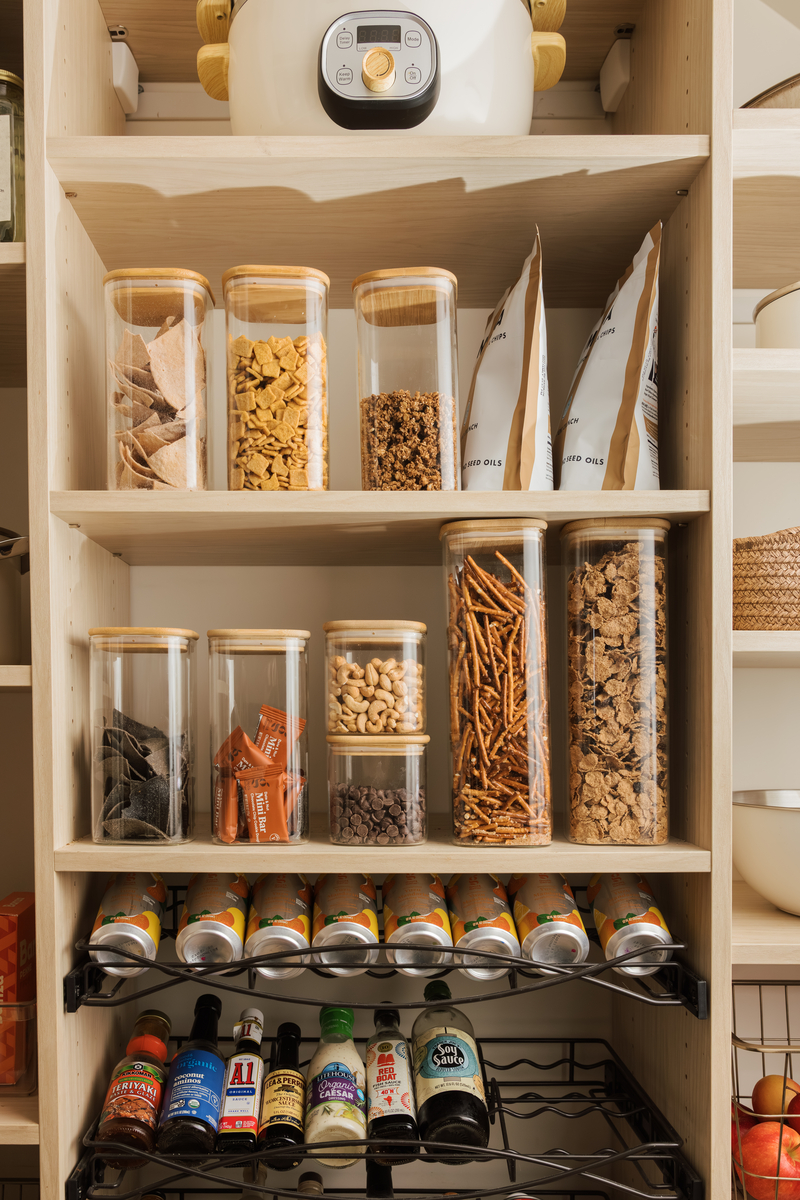
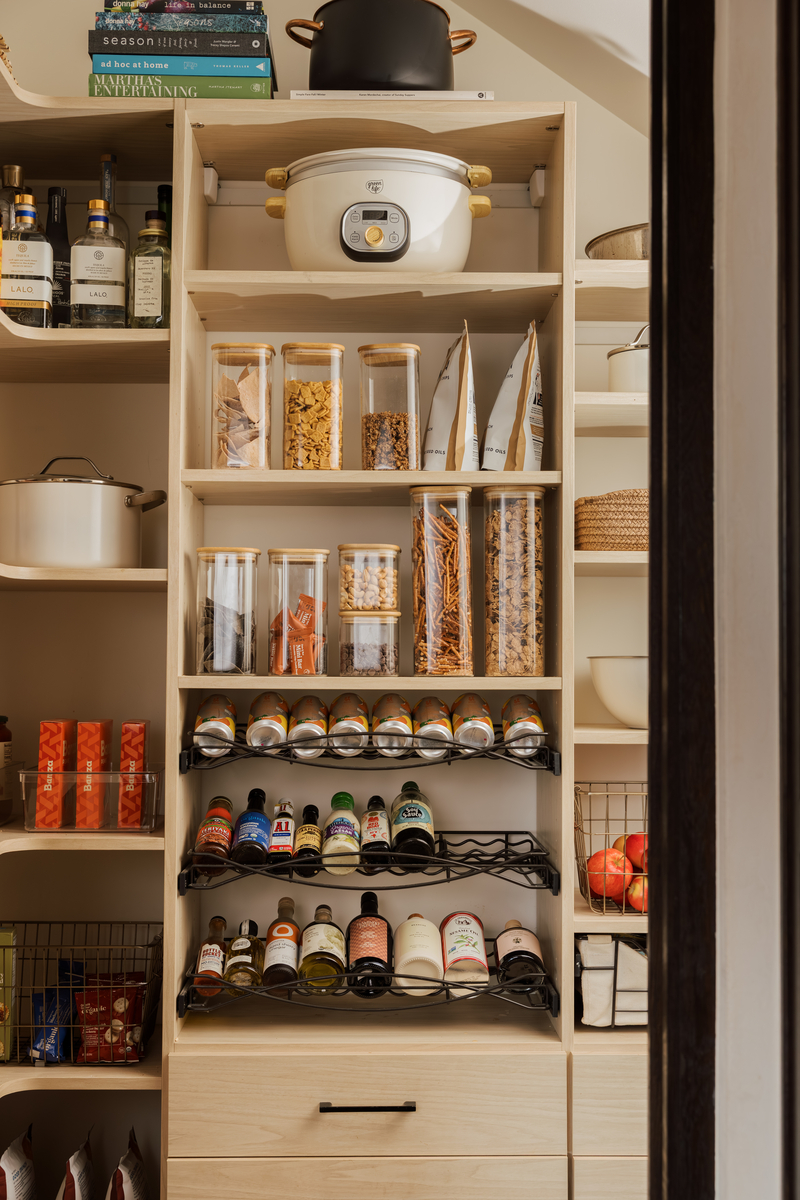
- Store smart. Airtight containers (labelled), cool spots, and grouping similar items keep your pantry visually calm and functionally efficient.
- Use your fridge and freezer. Nuts and seeds weren’t included in the pantry list above, but that’s because they’ll stay fresher—longer—in your fridge or freezer! Chia seeds, walnuts, pumpkin seeds, etc., are best stored at a cooler temp.
Making Room for What’s Next
At its core, a spring pantry reset is less about what you remove and more about what you make room for. When your shelves are stocked with ingredients you constantly reach for, cooking becomes simpler (and much more satisfying). Meals come together with less effort, and the pantry stops being a source of overwhelm. That’s the real goal: a pantry that works with you, not against you. And for that matter, a kitchen that feels ready for the season ahead.


The “less but bigger” decorating rule designers swear by.

The season’s most soothing hue.

Your simplest spring wardrobe yet.



Discussion about this post