


The Benefits of Yoga for Seniors
Yoga for seniors supports healthy aging by addressing both physical and mental wellbeing with one integrated practice. Unlike high-impact exercise, yoga focuses on controlled, mindful movements that are easy on the joints while building strength and flexibility (Perkins et al., 2020).
One of the most significant benefits of yoga for seniors is improved mobility (Rose, 2023). As we age, muscles and connective tissues lose elasticity, leading to stiffness and reduced range of motion. Gentle yoga stretches help keep joints moving comfortably and help reduce the muscle stiffness associated with inactivity.
Over time, this can make daily tasks such as reaching, bending, and walking feel easier and more stable (Rose, 2023).
Yoga also improves balance, which is crucial given falls can be a concern in later life, often linked to reduced coordination and muscle strength. Many yoga poses gently challenge balance in a controlled way, helping the body learn to stabilize more effectively. Improved balance supports physical safety and builds confidence in movement.
Maintaining strength is equally important. Yoga uses bodyweight resistance to engage muscles without heavy equipment. Even slow, supported poses can help maintain muscle tone in the legs, core, and upper body. Preserved strength supports posture, reduces joint strain, and maintains greater independence in everyday activities (Carson & Krucoff, 2017).
Yogic breathing practices also help regulate the nervous system, lower heart rate, and reduce stress and anxiety (Rose, 2023). Many seniors find that breathwork alone creates a noticeable sense of calm and improved mental clarity.
Yoga for seniors also supports cognitive and emotional wellbeing (Carson & Krucoff, 2017). The mindful nature of the practice encourages present-moment awareness, which can help reduce rumination and improve mood. Regular practice has been associated with better sleep quality, reduced tension, and an improved sense of wellbeing (Carson & Krucoff, 2017).
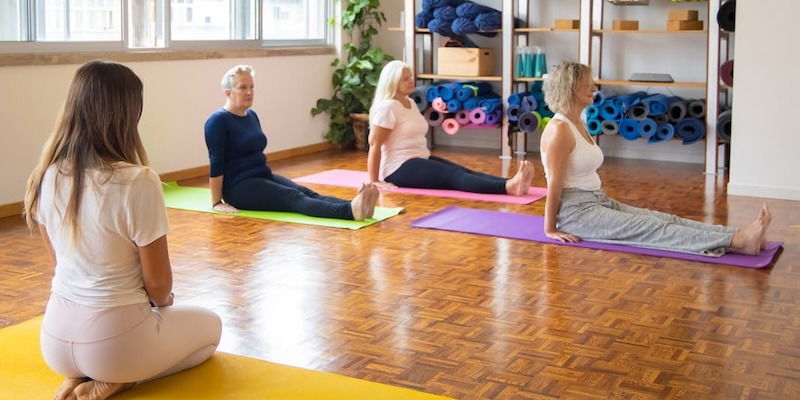
Finally, yoga can be a great social activity when practiced in group settings. Attending a yoga class provides opportunities for connection and community, which supports healthy aging. At the same time, yoga remains highly effective as a solo home practice for those who prefer quiet or private routines (Lehmkuhl, 2020).
Safe and Gentle Yoga Practices for Seniors
 Safety and comfort are central to any yoga practice for seniors. The goal is to encourage steady, supportive movement that feels manageable and sustainable.
A good starting point is chair yoga. Using a sturdy chair provides extra stability and makes many movements more accessible. Seated marches, gentle spinal twists, and arm raises can all be performed safely from a chair while promoting circulation and mobility (Veneri & Gannotti, 2022).
Slow warm-ups are especially important. Beginning with simple breathing exercises and small joint movements helps prepare the body and reduces the risk of strain. Neck rolls, shoulder circles, and ankle rotations are effective ways to ease into practice.
Take a look at this short video for ideas: These 7 Minutes Are Crucial for Seniors: 5 Simple Stretches with Coach Kim.



Discussion about this post