


The Benefits and Efficacy of Constellation Therapy
Many practitioners recognize the benefits of using constellation therapy with clients to work through family trauma and conflict.
These benefits include (Cohen et al., 2019; Konkolÿ Thege et al., 2021; Stiefel et al., 2002; Blackbyrn, 2023):
- Powerful emotional releases
- Cognitive insight into toxic behavioral patterns
- Positive behavioral change
- Healthier communication and relationships
- Creating space for processing past events
- Improved understanding of how families impact personal decision-making
- A better understanding of the dynamics between different family members
As a result, family constellation therapy is helpful for people (Blackbyrn, 2023):
- Experiencing depression
- Overcoming addictions
- Experiencing anxiety
- Wishing to heal from trauma
- Trying to overcome grief
- Managing phobias
Though limited, research suggests constellation therapy is a potentially effective treatment for clients, helping them gain deeper insights into themselves, their relationships, and their shared past (Konkolÿ Thege et al., 2021).
Changing a client’s image of a conflictual system can lead to behavioral change in relation to that system, whether a family or otherwise (Konkolÿ Thege et al., 2021).
Common Criticisms of Constellation Therapy
 While family constellation therapy has many benefits and some research-based support, it has its critics.
Challenges are typically based on the outdated beliefs held by Hellinger and captured in his family constellation theory, including (Hellinger, 2000; Blackbyrn, 2023; Hellinger & Ten Hövel, 1999):
- His highly patriarchal view, often blaming the wife rather than the husband for (heterosexual) marital breakdown
- The incorrect and unhelpful belief that homosexuality is an illness to be treated and causes family breakdown
- The risk of re-trauma because of the reenactment of past events and conflicts
- Claims that Hellinger held antisemitic views
How to Practice Family Constellation Therapy: 8 Steps
Family constellation therapy can benefit various individuals and groups, including (Blackbyrn, 2023; Konkolÿ Thege et al., 2021):
- Families experiencing interpersonal conflicts, unresolved issues, and communication difficulties
- Couples facing relationship challenges, such as communication breakdown, trust issues, or recurring conflicts
- Parents with neurodivergent children, helping them navigate the unique challenges they face and promoting family cohesion
- Individuals and their loved ones dealing with the emotional impact of illness, fostering understanding, and enhancing coping strategies
Several techniques and approaches are available, and not all apply to every situation.
However, the following is a typical set of steps involved in the process of family constellation therapy (Cohen et al., 2019):
- A family constellation therapist leads a group that is initially unknown to one another.
- Each member is asked, in turn, to pose a question or a statement to the group to “constellate” (the act of performing constellation therapy).
- After a brief interview, the member (client) chooses group members to represent people within their family system.
- “The client guides each person to a particular position, facing in a specific direction. The spatial configuration reflects the client’s current experience of his or her family” (Stiefel et al., 2002, p. 39).
- Once set up, the group remains silent and still. Each member is asked to sense the thoughts, emotions, and physical sensations of the family member they represent.
- Next, the facilitator adds an additional group member to represent multiple family generations.
- Empty spaces in the constellation are clues to a missing or excluded family member.
- When the facilitator fills each space with a representative, the other members feel a physical sensation of relief.
Once complete, the facilitator suggests to the group that the constellation is in order.
The client and representatives are given an opportunity to “speak the essential truth of entanglements or issues to bring resolution and a compassionate restoration of balance to the system” (Cohen et al., 2019, p. 1040).
3 Ancestral Healing Interventions
“The representatives of the dead often bring a kind of energy into a constellation that makes us consider whether there may be more powerful forces at work than we normally consider” (Schneider, 2007, p. 65).
While ancestral consciousness has applications in cross-cultural settings, there are few examples in the academic literature.
We offer the following examples of interventions associated with ancestral healing.
Including ancestral representatives
In a 2018 research study, group therapy members were asked to “facilitate a connection to the extended and collective family soul (ancestors),” involving them in choosing group members to represent their maternal and paternal relatives (Geils & Edwards, 2018, p. 225).
Each group member represented and responded as an embodied experience of the ancestor to help the client (or “descendent”) form a deeper ancestral connection (Geils & Edwards, 2018).
Open-ended questions
In the same study, participants were prompted by open-ended questions to reflect on their connection to their ancestors (Geils & Edwards, 2018):
Did you experience a connection to your ancestors?
How was the connection experienced?
Practicing forgiveness
A 2021 study explored ancestral spiritual healing and recognized the importance of forgiving past transgressions, potentially over several generations within (or outside) the client’s family (Dennison & Powell-Watts, 2021).
The client reflected on the trauma caused upon themselves or their ancestor by an individual (or group, identifiable or unknown) and practiced forgiving the transgressor.
Such an activity can be particularly healing and transformative for the children of those who witnessed racial, ethnic, or gender-based trauma (Dennison & Powell-Watts, 2021).
3 Family and Systemic Constellation Books
Family and systemic (working within families as systems) constellations are fascinating therapeutic approaches that can be incorporated into your existing treatments (Cohen et al., 2019).
The following therapy books help teach the theory and practical steps required.
1. Systemic Constellations: Theory, Practice, and Applications – Damian Janus
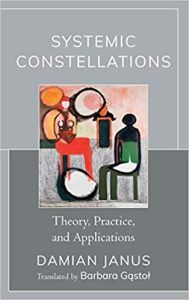
In this book, Damian Janus explores the theory and history behind systemic constellation treatments before delving into several case studies.
The reader is also introduced to Hellinger’s approach to psychotherapy in solving mental health issues in clients, couples, groups, and organizations.
Find the book on Amazon.
2. Systemic, Family Constellation: Core Principles and Training Practices – Netra Chou
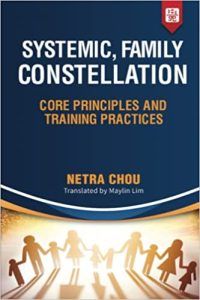
As the first person to introduce family constellation therapy to Asia, Netra Chou has combined over 20 years of teaching experience into this valuable and extensive book on systemic family counseling therapy.
The subjects covered are far reaching and include the background, theory, practices, models, and skills needed to become a successful constellation therapist.
Find the book on Amazon.
3. Family Constellations Revealed: Hellinger’s Family and Other Constellations Revealed (The Systemic View) – Indra Torsten Preiss
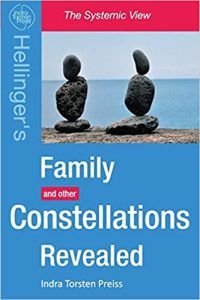
This is an easy-to-read, comprehensive book covering the theory and methods behind family constellation therapy.
Introducing the latest research, the author provides the tools for solving problems in various life domains by improving systemic relations.
Find the book on Amazon.
Family Constellation Therapy Training Options
Several training options are available for those interested in learning more about practicing family constellation therapy. We have included three of our favorites.
In the United States
 Hellinger Institute – Training in family constellation is available in person and online for those wishing to pursue a career using this therapeutic approach.
By completing 12 modules of training, interested students can learn practical facilitator techniques and form a deep theoretical understanding of the treatment.
In Europe
 The Centre for Systemic Constellations offers multi-level learning styles and ongoing personal and professional development in systemic constellation therapy.
The courses are valuable for anyone interested in resolving personal, family, and social issues through forming and healing deeper and far-reaching connections.
Online
 Family Constellation Virtual – This powerful virtual training covers the theory and practical aspects of constellation therapy.
Through a series of videos and online material, learners are given the opportunity to learn the therapy skills needed to host individual and group sessions while also receiving individual coaching.
Best Resources From PositivePsychology.com
We have many resources available for therapists providing support to individuals, couples, families, and groups to address relationship issues or strengthen emotional bonds.
Why not download our free positive relationships pack and try out the powerful tools contained within? Some examples include:
- Connecting With Others by Self-Disclosure
Being understood, accepted, and cared about is crucial to our happiness and overall wellbeing. This exercise helps the client learn how to practice self-disclosure and strengthen new and existing connections. - The Sound Relationship House Inspection
Relationships require nurturing to grow and progress; otherwise, they can falter and fail. This exercise uses a house metaphor to review client relationships.
Other free resources include:
- Mind the Gap
The Mind the Gap worksheet looks at what we aspire to be (or aspire our children to be) versus what we do within the family unit. - Recognizing Family Narratives
Use this worksheet to acknowledge the narratives that explain and justify the structure and interactive patterns that exist within the family.
More extensive versions of the following tools are available with a subscription to the Positive Psychology Toolkit©, but they are described briefly below:
- Family Strength Spotting
Understanding each family member’s strengths can help us build appreciation for one another and get the best out of our relationships. Try out the following four steps:- Step one – Each family member completes the VIA Inventory to identify their strengths.
- Step two – Compare the strengths of each family member and consider the following questions:
What strength patterns can we find within our family?
Are there specific virtues that are represented more than others?
Do you possess a strength unique to you in your family (that no one else has)?
Are you surprised by any of your family members’ strengths? If so, why?
How can you combine all your strengths to make a tighter, more cohesive family?
- Naikan Reflection
Naikan therapy is a structured self-reflection method and encourages kindness and gratitude within relationships.
Ask yourself the following questions:
What have I received?
What have I given?
What troubles or difficulties have I caused?
Reflect on the answers and experience gratitude for what people have done for us and the positive emotions associated with what we have given to others.
In addition to these free and subscription resources, the following articles might pique your interest too:
If you’re looking for more science-based ways to help others build healthy relationships, check out this collection of 17 validated positive relationships tools for practitioners. Use them to help others form healthier, more nurturing, and life-enriching relationships.
A Take-Home Message
Family constellation therapy complements techniques from other therapeutic models.
It provides a short-term group intervention to help clients better understand their family and its conflicts and change their behavior toward other members (Konkolÿ Thege et al., 2021).
Ultimately, it is a healing process that relies on the therapy group adopting representative positions within a “living map” and then reflecting upon what is out of balance to identify what is needed to restore harmony (Longo-Lockspeiser, 2018).
The client places themselves within the map to encourage the healing of intergenerational wounds and improve their experience of belonging, autonomy, and confidence (Cohen et al., 2019).
While research is limited, existing studies suggest that constellation therapy offers a potentially effective treatment for clients. It provides clients unique opportunities for powerful emotional releases, positive behavioral change, and deep insights into themselves, their relationships, and their shared past (Konkolÿ Thege et al., 2021).
Family constellation therapy has its critics. And yet, it appears to offer healing opportunities for individuals, families, and other groups that can easily be combined with existing therapeutic approaches to heal enduring relationship wounds.
We hope you enjoyed reading this article. Don’t forget to download our three Positive Relationships Exercises for free.



Discussion about this post