


Fear of abandonment and attachment styles
Bowlby (1969) defines attachment as a lasting psychological connection between two human beings. As the founder of attachment theory, he believed that parent–child interactions early in life determine cognitive and behavioral social connectedness throughout the lifespan.
Secure attachment styles are demonstrated by a person who can trust and be open to others (Bowlby, 1969). A securely attached person is responsive, warm, and can form healthy close relationships. On the other hand, insecure attachment results when children have caregivers who are either inconsistently available and nonresponsive or completely unavailable and neglectful (Mikulincer & Shaver, 2010).
The three types of insecure attachment styles are avoidant, anxious, and disorganized (Bowlby, 1969).
- Avoidant attachment styles are seen in those who cope with abandonment issues by not allowing others to get close. Individuals with avoidant attachment are distant, withdrawn, and not trusting of others. They fear commitment and shut down or end relationships to avoid conflict.
- Anxious attachment styles are seen in those who latch on to others and create intensely close, codependent relationships to cope with fears of abandonment. People with this attachment style seem needy and have trouble separating themselves from their partner. They are emotionally reactive and perceive conflict as a threat that their partner will leave them.
- Individuals with disorganized attachment styles are uncomfortable with closeness and intimacy and may lack empathy. Disorganized attachment is often associated with antisocial, narcissistic, or BPD traits.
Fortunately, even if insecure attachment styles are developed in childhood, the problematic behaviors and fear of abandonment associated with them can be treated and, ultimately, changed.
How to Overcome Fear of Abandonment
 While fear of abandonment is associated with many mental health and mood disorders, it is highly treatable.
Individuals who seek help can improve personal wellbeing and interpersonal relationships.
5 Therapy treatment options
- Attachment-based therapy uses a supportive client–therapist bond to address issues with mental health, such as depression and anxiety. It targets thoughts, feelings, behaviors, and interpersonal communication that clients avoid or over-amplify based on early-developed attachment styles (Pilkington et al., 2021).
- Behavioral therapy incorporates talk therapy to root out unhealthy behaviors and habits that are related to the mental health conditions underlying the fear of abandonment.
- Cognitive-Behavioral Therapy (CBT) helps clients identify faulty thinking patterns or cognitive distortions and replace them with more adaptive thinking patterns. This evidence-based form of therapy is effective at treating anxiety and depression and improving relationships through changing perspectives and communication patterns.
- Psychodynamic therapy encourages clients to identify and resolve unhealthy unconscious and conscious thoughts about past experiences. Through improving self-awareness and understanding, clients can see how their past may influence present thoughts and behaviors and make changes.
- Psychoeducation provides information to a client regarding a diagnosis, treatment options, and underlying theories (such as attachment theory) that may contribute to abandonment fears. Often, understanding and labeling problematic behaviors and fears can be one of the most helpful steps in healing.
4 Worksheets for Your Therapy Sessions
There are many worksheets that can help clients identify anxiety and fear surrounding abandonment and relationships.
- The Anxious Attachment Patterns worksheet helps clients identify attachment styles. By reflecting on negative experiences with relationships and identifying behaviors and triggers of stressful events, clients gain insight that can elicit behavior change.
- Often, when clients struggle with fear of abandonment, their anxiety and depression can lead to emotional dysregulation and dysfunctional responses when triggers occur. This Emotion Regulation worksheet can help individuals identify stressful situations, interactions, and how to respond appropriately.
- Self-awareness is a great first step in overcoming the fear of abandonment. This Self-Awareness for Adults worksheet can help clients identify strengths, weaknesses, skills, and abilities, which can lead to less anxiety, more confidence, and the ability to form healthy connections with others.
- This Loving Others Better worksheet walks clients through steps of developing and maintaining healthy relationships. Through appreciating others, interacting with others, showing integrity, and learning to forgive, clients can find healing from abandonment fears and create a healthy social support system.
In addition to using worksheets to help clients navigate abandonment issues, assessing aspects of relationship distress, codependency, and attachment styles can provide a useful starting point in therapy.
Assessing Fear of Abandonment: 4 Tests
 The fear of abandonment and attachment styles associated with this fear have been extensively studied and assessed throughout the years.
The following assessments are a few good options that mental health practitioners can use as baseline and progress measures.
The Experiences in Close Relationships-Revised Questionnaire
This 36-item questionnaire is a validated measure of attachment styles for adults. Participants will rate themselves on a Likert scale (1–7) of how much they agree with statements regarding how they feel about intimate relationships.
The Abandonment Core Belief Self-Assessment
This assessment measures the belief of how much emotional and social support an individual feels they have in their life. It assesses their level of trust and fear of being abandoned.
The Codependency Questionnaire
The Codependency Questionnaire lists 20 symptoms of codependency and has clients identify which symptoms reflect their own thoughts and behavior.
Abandonment Issues
This informal quiz can provide a general starting point and idea of how likely a person is to have abandonment issues. It is based on self-report responses that assess how an individual generally acts and feels in relationships.
Most Fascinating Books on the Topic
There are a variety of books and workbooks on relationships, the fear of abandonment, and the underlying attachment issues that lead to abandonment issues. In this brief selection, we highlight a few recommendations.
1. Love Me, Don’t Leave Me: Overcoming Fear of Abandonment and Building Lasting, Loving Relationships – Michelle Skeen

This book, written by a therapist, uses Acceptance and Commitment Therapy and Dialectical Behavior Therapy concepts to help readers identify the root cause of their fears that sabotage relationships.
By identifying maladaptive coping behaviors and causes, individuals can learn to create healthy, long-lasting, intimate relationships. This book helps provide insight to the irrational thoughts that lead to mistrust and helps readers develop a better understanding of the thoughts and behaviors of others.
Find the book on Amazon.
2. The Journey From Abandonment to Healing: Surviving Through and Recovering From the Five Stages That Accompany the Loss of Love – Susan Anderson
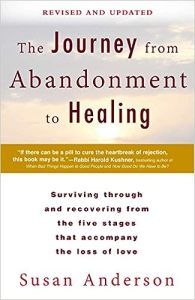
The Journey From Abandonment to Healing builds on the neuroscience of loss and grief to help readers move past the hurt. It is designed for people who have had a recent loss or long-term grief or who simply sabotage their own relationships.
The book outlines five universal stages of abandonment: shattering, withdrawal, internalizing, rage, and lifting.
It includes practical, hands-on exercises that can help individuals heal and move into healthy relationships. There are biochemical and behavioral origins of abandonment issues that can be addressed and overcome.
Find the book on Amazon.
3. Disorganized Attachment No More! The Complete Blueprint to Achieving a Secure Attachment Style in Relationships – Taha Zaid

This book reviews insecure attachment styles and how they sabotage happiness and relationships. Its premise is that the only thing stopping individuals from being happy is themselves.
Insecure attachment styles lead to negative thinking patterns and behaviors that stand in the way of living a happy and fulfilling life.
This book provides methods of identifying disorganized attachment, developing emotional regulation, improving self-worth to promote healing and wellbeing.
Find the book on Amazon.
4. The Dialectical Behavior Therapy Skills Workbook: Practical DBT Exercises for Learning Mindfulness, Interpersonal Effectiveness, Emotion Regulation, and Distress Tolerance – Matthew McKay, Jeffrey C. Wood, and Jeffrey Brantley
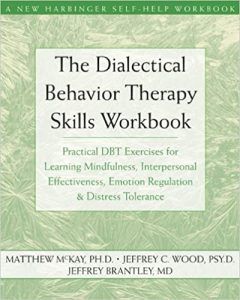 Dialectical Behavior Therapy is a form of therapy that is particularly helpful for borderline personality disorder and insecure attachment styles.
This workbook is a practical guide to using DBT to decrease anxiety and fear of abandonment and learn to create healthy self-image and relationships.
A step-by-step guide leads clients through introductory and more advanced exercises to develop the skills to manage emotions and learn radical acceptance, mindfulness, and the DEARMAN method for interpersonal competence.
Find the book on Amazon.
5. Insecure in Love: How Anxious Attachment Can Make You Feel Jealous, Needy, and Worried and What You Can Do About It – Leslie Becker-Phelps
 Insecure in Love uses compassionate self-awareness to recognize negative thoughts and behavior patterns.
It teaches individuals how to move away from these patterns and into healthy thoughts, behaviors, and relationships.
Read this book to learn how insecurity negatively impacts communication and connection between two people. Explore anxious perceptions and learn to shift them to cultivate secure attachment with others.
Find the book on Amazon.
Resources From PositivePsychology.com
These resources from PositivePsychology.com provide more information and practical activities to help clients with abandonment issues.
- The Shifting Codependency Patterns Worksheet allows clients to contrast and compare the codependent patterns of denial, low self-esteem, compliance, avoidance, and control. By identifying unhealthy patterns and looking at healthy ways to approach situations, individuals can learn to change maladaptive patterns that destroy relationships.
- This PositivePsychology.com article Attachment Styles in Relationships delves deeper into attachment styles and provides a wealth of information and resources that can be helpful for individuals with abandonment fears.
- The DBT acronym DEARMAN is an effective tool for helping individuals with abandonment fears, particularly those who struggle with borderline personality disorder. This Interpersonal Skills Acronyms worksheet walks clients through the DEARMAN approach to learn effective interpersonal skills and develop healthier relationships.
If you’re looking for more science-based ways to help others build healthy relationships, check out this collection of 17 validated positive relationships tools for practitioners. Use them to help others form healthier, more nurturing, and life-enriching relationships.
A Take-Home Message
Fear of abandonment can be overwhelming and lead to serious mental health disorders, such as depression and anxiety, and a general level of distrust. Because we as humans depend on others for protection and survival, it is crucial that we develop healthy bonds and relationships.
Creating healthy relationships is difficult in the face of abandonment issues. These issues can stem from a range of negative and stressful experiences in either childhood or as an adult. Experiences such as abuse, neglect, loss of a loved one, and other forms of trauma can lead to fear of abandonment.
Fortunately, there are options to seek help and find healing. A variety of therapeutic approaches can help individuals identify the root cause of abandonment issues and effectively treat symptoms. Overcoming fear of abandonment can lead to fulfilling personal growth and satisfying connection in relationships.
We hope you enjoyed reading this article. Don’t forget to download our three Positive Relationships Exercises for free.



Discussion about this post